



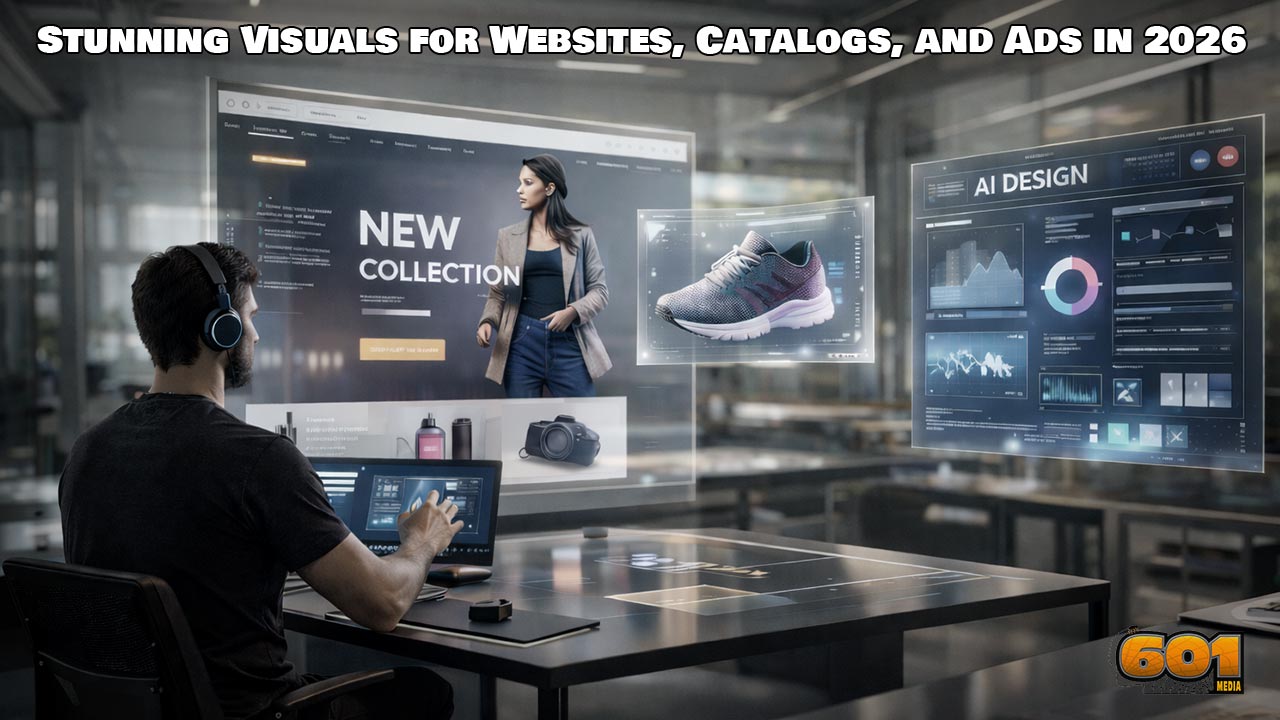
Stunning Visuals for Websites, Catalogs, and Ads in 2026: The New Standard for Digital Impact
Visual design is no longer decoration—it is strategic infrastructure. In 2026, stunning visuals drive engagement, shape brand trust, and influence purchase decisions across websites, digital catalogs, and advertising channels. This article explores the technologies, creative strategies, and innovation management principles powering next-generation visual content, from AI-generated imagery to immersive interactive design.
Table of Contents
- The Rise of the Visual Economy
- Technology Powering Visual Design in 2026
- Designing Stunning Website Visuals
- Next-Generation Digital Catalogs
- Visual Innovation in Advertising
- Innovation Management for Visual Content
- Future Trends Shaping Visual Experiences
- Top 5 Frequently Asked Questions
- Final Thoughts
- Resources
The Rise of the Visual Economy
Digital content consumption has become overwhelmingly visual. Research from HubSpot indicates that content containing compelling visuals receives approximately 94% more views than content without them. Meanwhile, studies from MIT show that the human brain processes images roughly 60,000 times faster than text. This shift has produced what analysts call the “visual economy,” where visual communication acts as the primary driver of digital engagement.
In 2026, organizations recognize that visuals influence nearly every stage of the customer journey:
- Awareness
- Interest
- Consideration
- Conversion
- Brand loyalty
For example, e-commerce platforms now rely heavily on interactive product imagery, animated graphics, and AI-generated visuals to simulate real-world product experiences. From an innovation management perspective, visual assets are no longer marketing add-ons—they represent strategic assets requiring investment, process management, and technology integration. Companies increasingly build internal visual production pipelines using AI tools, 3D rendering engines, and real-time design platforms to accelerate content creation.
Technology Powering Visual Design in 2026
The stunning visuals seen in modern websites and advertising campaigns are made possible by several emerging technologies.
Artificial Intelligence Image Generation
Generative AI tools now produce hyper-realistic images, illustrations, and product renders within seconds. These tools allow marketing teams to create visual assets without traditional photoshoots.
AI visual systems can generate:
- Product mockups
- Advertising visuals
- Lifestyle imagery
- Conceptual illustrations
- Brand-aligned design elements
Organizations benefit from faster production cycles and dramatically lower creative costs.
3D Rendering and Virtual Product Photography
3D visualization has transformed product presentation. Retail brands increasingly use 3D models instead of traditional photography.
These models enable:
- 360-degree product views
- Dynamic lighting adjustments
- Interactive user experiences
- Instant variation generation (colors, materials, styles)
Furniture and fashion brands are especially adopting these technologies.
Real-Time Rendering Engines
Real-time engines originally developed for gaming now power digital marketing visuals. These engines allow designers to produce cinematic imagery instantly.
Examples include:
- Realistic shadows
- Physics-based lighting
- Animated environments
- Interactive camera angles
This technology dramatically shortens production timelines.
Augmented Reality and Immersive Media
AR visualization enables consumers to experience products in real environments.
Examples include:
- Trying furniture in a living room through mobile devices
- Testing cosmetics virtually
- Viewing packaging prototypes before purchase
Brands that integrate AR report significantly higher engagement rates.
Designing Stunning Website Visuals
Websites in 2026 must do more than look attractive. They must communicate value immediately through immersive visuals. Modern visual website design includes several core principles.
Hero Visual Storytelling
Landing pages increasingly use cinematic hero sections featuring:
- Video backgrounds
- Dynamic animations
- 3D product showcases
- Interactive scenes
These elements immediately capture attention and establish brand identity.
Micro-Interactions
Small visual interactions improve usability and engagement.
Examples include:
- Hover animations
- Scrolling transitions
- Interactive product previews
- Motion-driven navigation
Micro-interactions provide subtle feedback that makes websites feel responsive and intuitive.
Minimalist Visual Hierarchy
Despite increased visual sophistication, effective designs remain clean and intentional.
Key characteristics include:
- High-contrast typography
- Strategic whitespace
- Clear visual focal points
- Limited color palettes
The goal is clarity rather than visual overload.
Next-Generation Digital Catalogs
Traditional catalogs have evolved into immersive digital product experiences. Instead of static product images, digital catalogs now feature interactive visual storytelling.
Interactive Product Displays
Customers can explore products through:
- 360-degree rotations
- Zoomable textures
- Material simulations
- Exploded views
These visuals replicate the experience of examining products in person.
AI-Generated Lifestyle Scenes
Brands increasingly generate contextual product scenes using AI.
For example, a furniture catalog can instantly generate:
- Modern living rooms
- Scandinavian interiors
- Luxury apartments
- Minimalist studio environments
This capability allows brands to localize visual experiences for different markets.
Personalized Catalog Visuals
AI personalization systems now adapt catalog imagery based on user preferences.
Examples include:
- Different home styles
- Color palettes matching past purchases
- Lifestyle imagery matching demographics
This personalization dramatically improves conversion rates.
Visual Innovation in Advertising
Advertising visuals must capture attention within seconds. The average social media user scrolls past content in less than two seconds. To compete for attention, brands use advanced visual strategies.
Cinematic Advertising Creatives
Short-form cinematic visuals now dominate digital ads.
Characteristics include:
- High-contrast lighting
- Professional color grading
- Fast-paced motion design
- Emotion-driven storytelling
These techniques create memorable visual moments even in short formats.
AI-Optimized Creative Testing
Advertising platforms increasingly use AI to test visual performance.
Algorithms evaluate:
- Color schemes
- Composition
- Emotional tone
- Visual complexity
The best-performing visuals are automatically prioritized.
Hyper-Personalized Visual Ads
Advertising visuals are now dynamically generated for specific audiences.
Examples include:
- Regional landscapes
- Cultural aesthetics
- Localized product contexts
This targeted approach improves engagement and relevance.
Innovation Management for Visual Content
Producing stunning visuals at scale requires structured innovation management. Successful organizations treat visual production as a system rather than a one-time creative effort.
Key components include:
Creative Technology Integration
Companies combine design teams with technologists who manage:
- AI tools
- Rendering systems
- Visual automation pipelines
- Creative asset databases
Rapid Content Prototyping
Design teams experiment quickly using generative tools and rapid visual prototyping. This approach encourages experimentation and faster innovation cycles.
Scalable Visual Asset Libraries
Modern brands maintain centralized visual libraries containing:
- 3D models
- Brand textures
- Visual templates
- Product renders
These libraries allow teams to produce consistent visuals across channels.
Future Trends Shaping Visual Experiences
Several trends will define visual content in the next decade.
AI-Native Creative Studios
Entire visual campaigns will be generated through AI-assisted design systems.
Human designers will focus on creative direction rather than production tasks.
Fully Interactive Product Visualization
Consumers will interact with digital products almost exactly as they would physical items.
Expect realistic physics simulation, customizable environments, and tactile feedback technologies.
Spatial and Mixed-Reality Commerce
As spatial computing devices grow more common, product visuals will expand into immersive 3D environments.
Customers may browse virtual showrooms rather than static websites.
Top 5 Frequently Asked Questions
Final Thoughts
Stunning visuals have become the backbone of modern digital communication. In an environment where consumers encounter thousands of messages daily, visuals determine whether brands are noticed or ignored. Organizations that embrace AI-assisted design, immersive technologies, and strategic innovation management will produce richer and more engaging experiences for their audiences. However, technology alone does not create effective visuals. Successful visual strategies combine technology with human creativity, storytelling, and brand authenticity. Companies that balance these elements will define the next generation of digital experiences—where visuals are not just attractive design elements but powerful tools for communication, persuasion, and innovation.


Leave A Comment