AI Agent Development

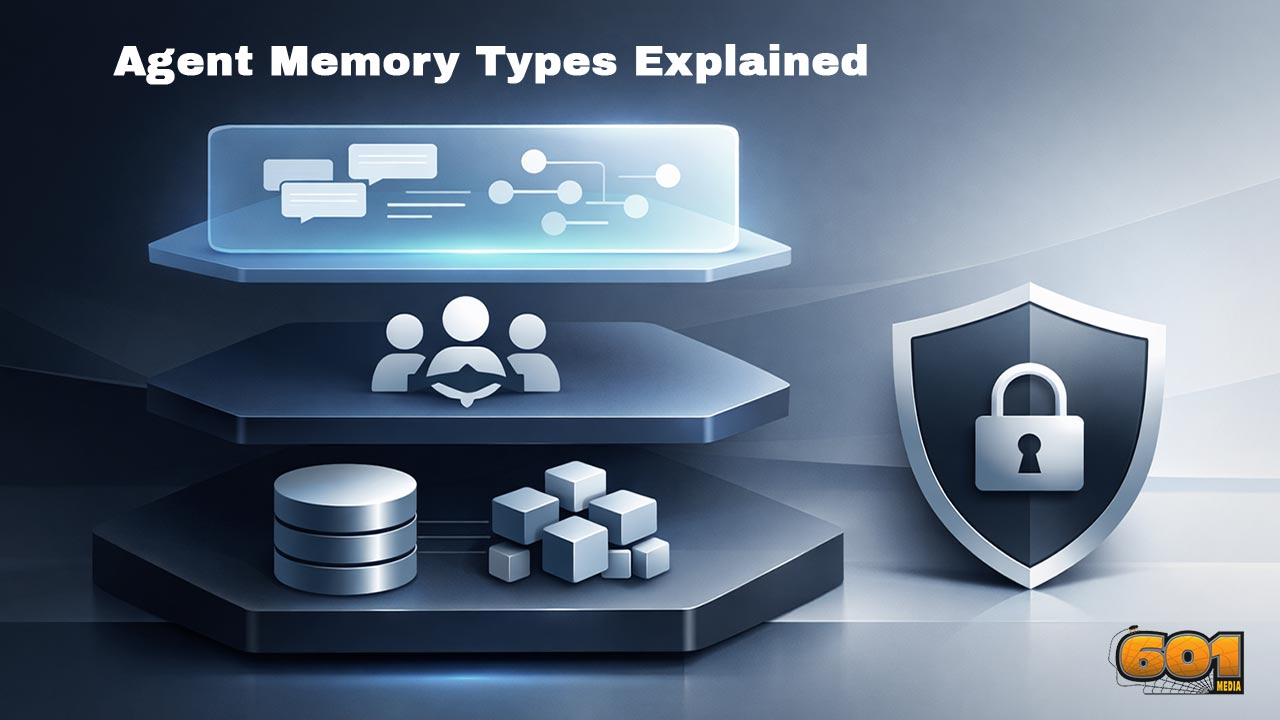
Agent Memory Types Explained

Agent Memory Types Explained: Short-Term, Long-Term, Shared, and “Do-Not-Store” AI agents don’t “remember” like humans. They reconstruct what matters, when it matters, from a mix of context windows, stored knowledge, and policy constraints. This guide breaks agent memory into four practical layers: short-term (session context), long-term (retrievable persistence), shared (team/system knowledge), and do-not-store (explicit non-retention zones). You’ll also learn design patterns, governance rules, and the most common failure modes that make agent memory [...]
2026-03-09T18:21:24-04:00By |AI Agent Development|

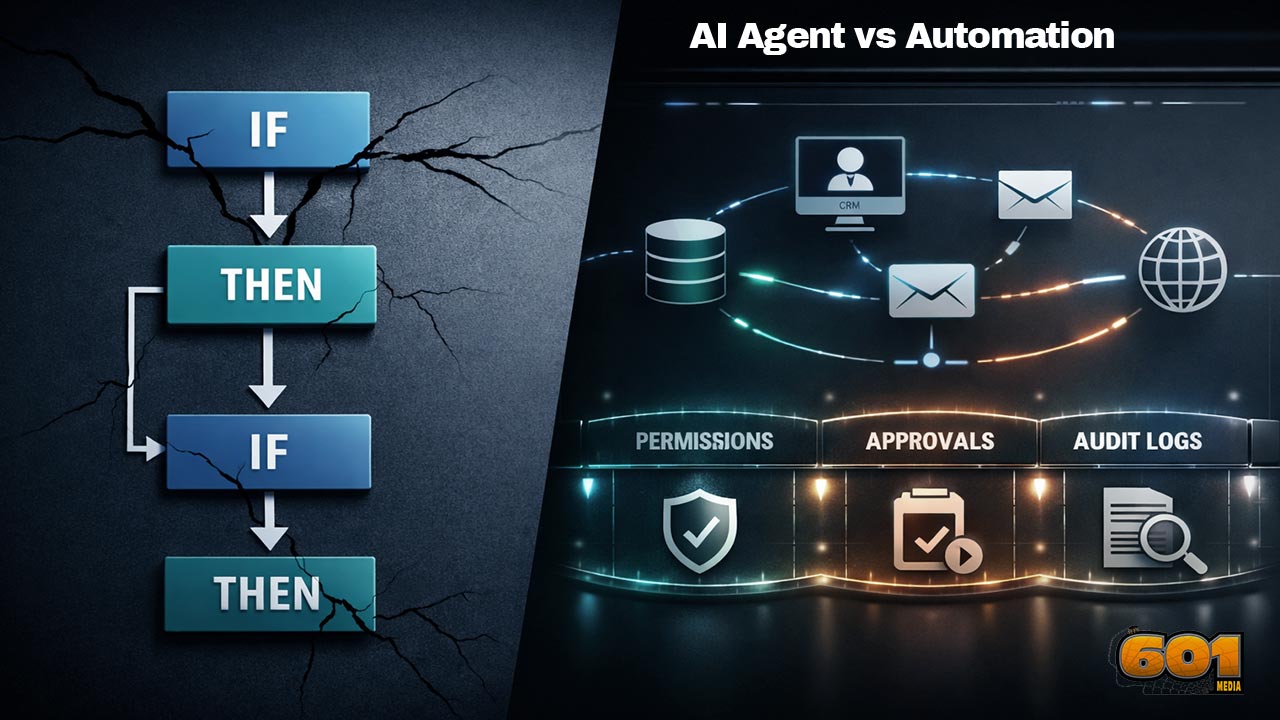
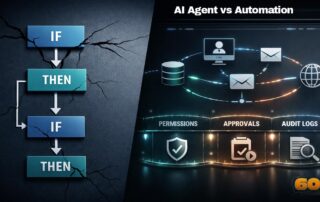
AI Agent vs Automation

AI Agent vs Automation: Where “If-This-Then-That” Breaks Down AI automation used to be a story about rules: if a trigger happens, do a predefined action. That approach still wins for stable, repeatable workflows. But the moment work becomes ambiguous, multi-step, cross-tool, or dependent on changing context, classic “If-This-Then-That” logic starts to crack. This article explains why AI agents are not just “automation with a chatbot,” how they differ architecturally from rule-based systems, and [...]

2026-03-05T20:20:34-04:00By |AI Agent Development|

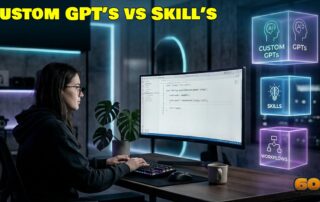
Custom GPT’s vs Skill’s

Custom GPT's vs Skill's: What Actually Matters When You’re Building AI Workflows in 2026 In 2026, “AI customization” is no longer a novelty feature—it’s the operating system for modern work. Two ideas dominate the conversation: OpenAI’s Custom GPTs (tailored versions of ChatGPT) and Claude Code Skill’s (reusable capability modules built from a SKILL.md file). They sound similar, but they solve different problems. If you’re leading innovation, shipping software, or designing AI-enabled operations, the [...]

2026-03-05T20:20:14-04:00By |AI Agent Development|

Why AI “Skills” Are the Most Important Capability to Master

Why AI “Skills” Are the Most Important Capability to Master In 2026 the most valuable ability professionals can develop is not memorizing information or collecting credentials—it is building usable skills. This shift is even more visible in the world of artificial intelligence development. Modern AI platforms such as Claude Code introduce the concept of programmable “skills,” reusable capabilities that allow AI systems to perform tasks reliably and repeatedly. Understanding how to design, structure, [...]

2026-03-05T19:32:39-04:00By |AI Agent Development|

What Are Agent Skills?

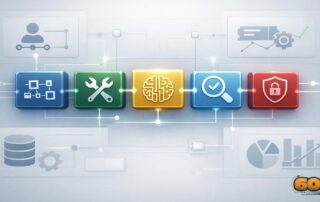
What Are Agent Skills? A Practical Guide to Capabilities That Make AI Agents Useful Agent skills are packaged, reusable capabilities that let an AI agent reliably do things—not just talk about them. A skill typically combines (1) clear instructions, (2) tool access (APIs, databases, apps, code execution), (3) guardrails and policies, and (4) tests or examples—so an agent can plan, take actions, and produce consistent outcomes in real workflows. Table of Contents What [...]

2026-02-28T10:23:54-04:00By |AI Agent Development|

What Is Markdown and How to Use It

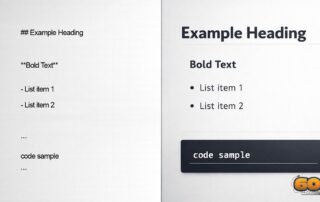
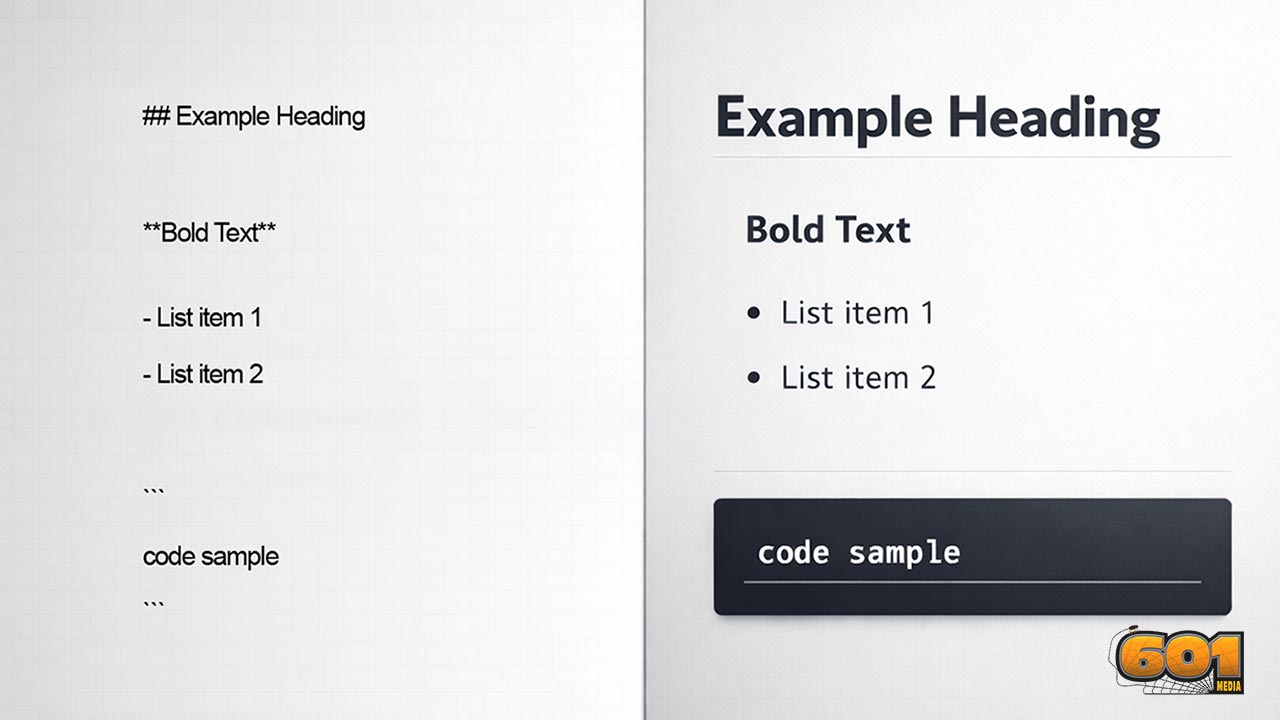
What Is Markdown and How to Use It (Without Getting Tripped Up) Markdown is a lightweight writing format that uses plain text symbols to create headings, emphasis, lists, links, tables, and code blocks. You write faster because your hands stay on the keyboard, and you publish cleaner because the structure is predictable. This guide explains what Markdown is, where it shines (and where it doesn’t), and how to use it confidently across WordPress, [...]

2026-02-26T10:57:33-04:00By |AI Agent Development|

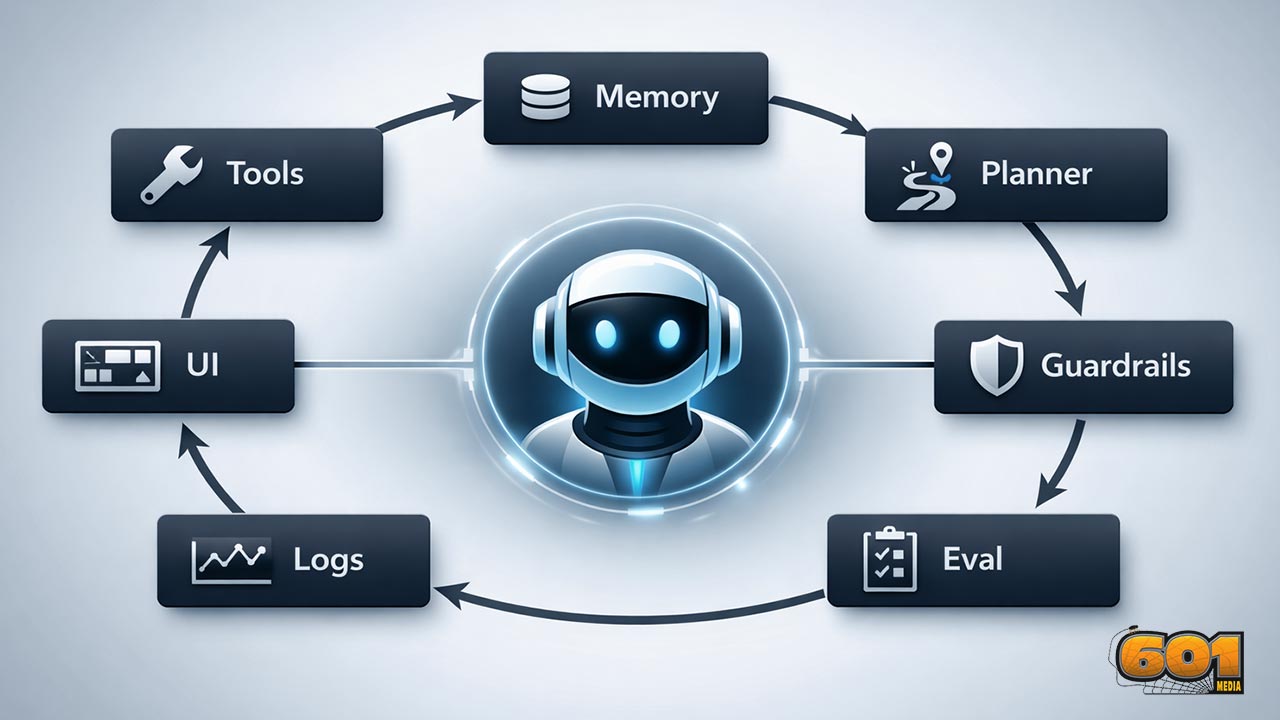
The 7 Core Components of an AI Agent

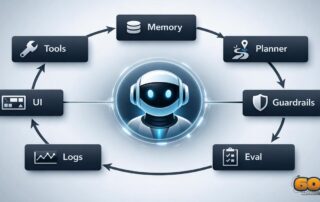
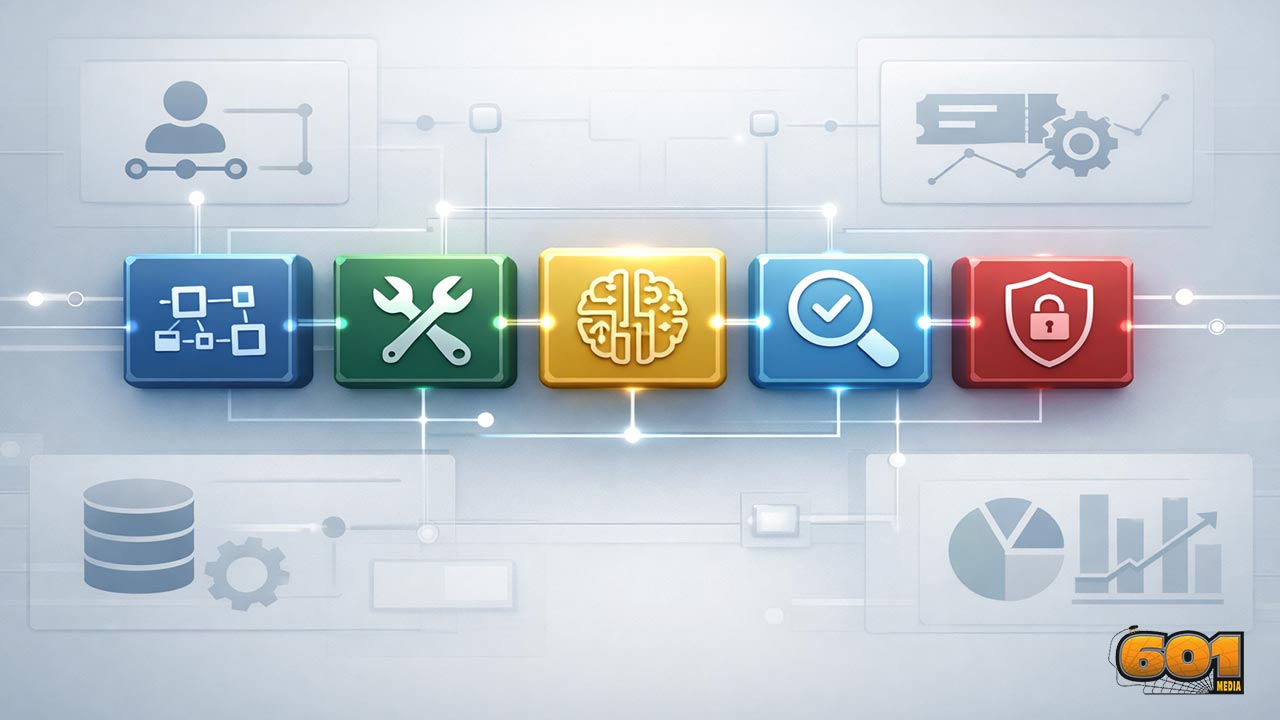
The 7 Core Components of an AI Agent (Tools, Memory, Planner, Guardrails, Eval, Logs, UI) An AI agent is more than an LLM with a prompt. Reliable agents behave like products: they can take actions safely, remember what matters, plan across steps, prove quality with evals, leave an audit trail through logs and traces, and expose the right controls through a UI. This article breaks down the 7 core components you need to [...]

2026-02-25T00:16:46-04:00By |AI Agent Development|

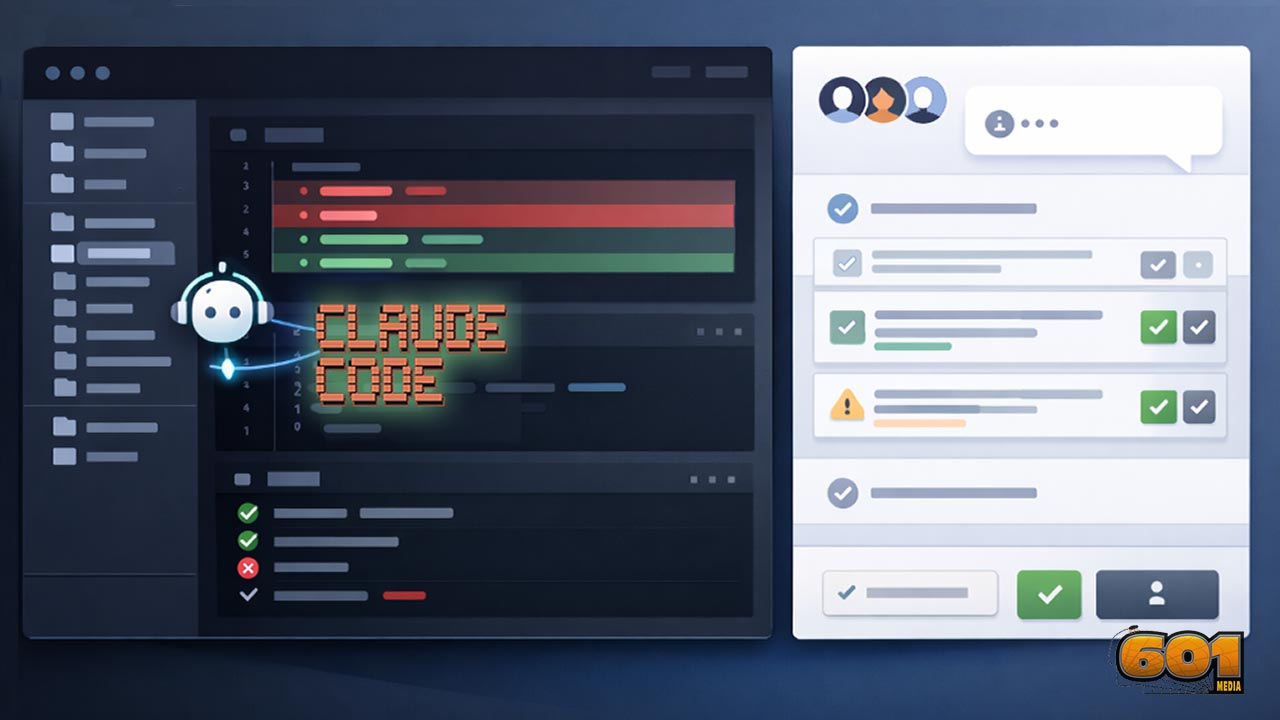
Claude Code: How Anthropic’s Agentic CLI Is Changing Software Delivery

Claude Code: How Anthropic’s Agentic CLI Is Changing Software Delivery Fast-moving engineering teams are shifting from “AI as autocomplete” to “AI as a capable teammate that can read the repo, propose multi-file edits, and run the same commands you would.” Claude Code is Anthropic’s agentic coding tool designed for exactly that: a terminal-first assistant that can understand your codebase, work across files, and integrate into real workflows like pull requests and external tool [...]

2026-02-23T23:46:05-04:00By |AI Agent Development|

OpenClaw: The Open-Source AI Agent That Turns Chat into Action

OpenClaw: The Open-Source AI Agent That Turns Chat into Action OpenClaw is part of a fast-moving shift in AI: from systems that answer questions to systems that take actions. Instead of living inside a single app, OpenClaw is designed to run on your own machine and operate through the chat tools people already use—turning a message like “clear my inbox and reschedule tomorrow’s meeting” into real changes across email, calendar, files, and web [...]

2026-02-23T17:52:36-04:00By |AI Agent Development|

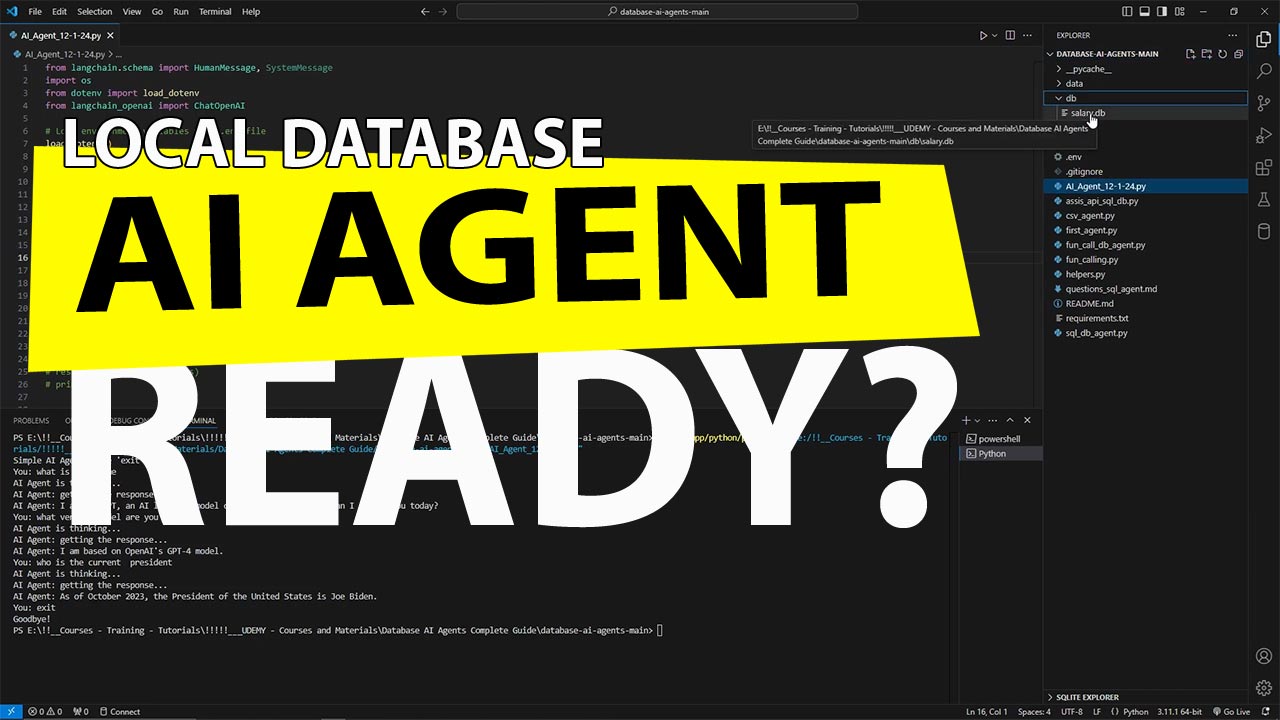
Local database access AI Agent project

Spending a cold Sunday back on an AI agent project, when done it'll access a local database for private inhouse use for those wanting to keep their data of the internet. Local Database Access AI Agent: Transforming Data Management Artificial Intelligence (AI) has revolutionized how businesses interact with their data. A Local Database Access AI Agent represents the cutting edge in streamlining database management, enabling users to query, update, and analyze data with [...]

2024-12-01T17:19:14-04:00By |AI Agent Development|