



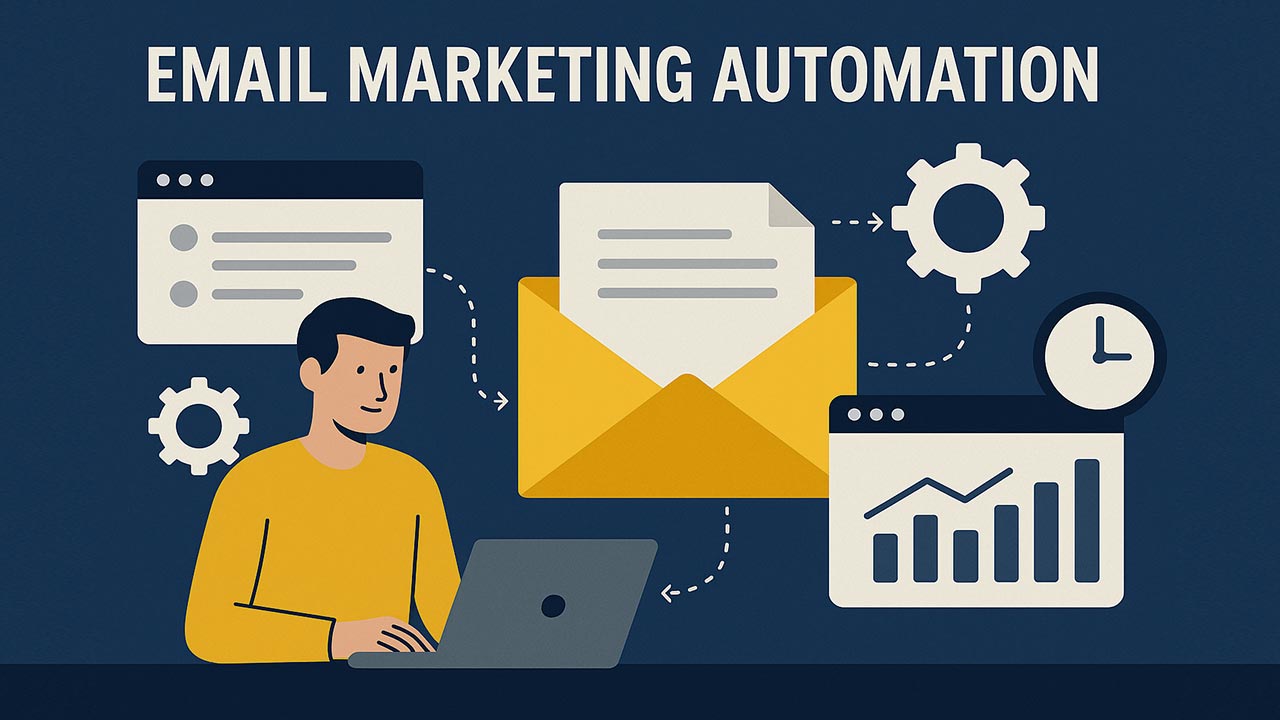
Email Marketing Automation
Email marketing automation is not just a buzzword; it’s a powerful tool that can revolutionize how you interact with your audience, drive conversions, and grow your business. In an age where personalized experiences are key to customer satisfaction, leveraging automation can help you deliver tailored content at scale, nurturing leads and converting prospects into loyal customers. In this short guide, we’ll delve into email marketing automation, exploring its core components, benefits, and strategies.
Table of Contents
- What is Email Marketing Automation?
- Why Email Marketing Automation Matters
- Key Components of Email Marketing Automation
- How to Set Up an Automated Email Campaign
- Common Mistakes to Avoid in Email Marketing Automation
- Top 5 Frequently Asked Questions
- Final Thoughts
- Resources
What is Email Marketing Automation?
Email marketing automation refers to the use of software to automate the process of sending email campaigns to your audience based on specific triggers and workflows. These triggers might include actions like a subscriber signing up for your newsletter, abandoning a shopping cart, or reaching a certain stage in your customer journey.
Automation allows marketers to send personalized and timely messages to their subscribers without manually crafting and sending each email. This approach not only saves time but also ensures that your audience receives relevant content when they’re most likely to engage with it.
Why Email Marketing Automation Matters
Improved Efficiency
By automating routine tasks such as sending welcome emails, follow-ups, or promotional offers, businesses can significantly reduce the manual workload. This allows marketing teams to focus on more strategic initiatives, such as crafting compelling content and analyzing campaign performance.
Enhanced Personalization
Personalization is a crucial factor in modern marketing. According to a study by Statista, 72% of consumers only engage with personalized messaging. Automation makes it easier to segment your audience and deliver tailored content that resonates with individual preferences, behaviors, and purchase history.
Increased Revenue
Email marketing automation has a direct impact on revenue generation. Research by the Data & Marketing Association (DMA) indicates that automated emails can generate up to 320% more revenue than non-automated emails. This is largely due to the ability to send timely and relevant offers that drive conversions.
Key Components of Email Marketing Automation
Email List Segmentation
Segmentation involves dividing your email list into smaller groups based on criteria such as demographics, behavior, or purchase history. Segmented campaigns are highly effective, with Mailchimp reporting that they lead to a 23% higher open rate than non-segmented campaigns.
Triggers and Workflows
Triggers are the actions that prompt your automated emails, such as a subscriber joining your list or making a purchase. Workflows are the series of automated emails that are sent based on these triggers, guiding the subscriber through the customer journey.
Drip Campaigns
Drip campaigns are a series of automated emails sent over time based on user behavior or predefined timelines. They are particularly effective for nurturing leads, onboarding new customers, and re-engaging inactive subscribers.
How to Set Up an Automated Email Campaign
Step 1: Define Your Goals
Before you start, it’s crucial to define what you want to achieve with your email campaign. Are you looking to increase sales, boost engagement, or nurture leads? Clear goals will guide the creation of your automation strategy.
Step 2: Segment Your Audience
Identify the key segments within your email list and tailor your messaging to each group. This will ensure that your content is relevant and engaging, increasing the likelihood of conversion.
Step 3: Create Compelling Content
Content is king, and this holds true for email marketing automation. Craft compelling subject lines, personalized messages, and strong calls to action that encourage your audience to take the desired action.
Step 4: Implement and Monitor
Once your campaign is set up, monitor its performance closely. Use A/B testing to optimize subject lines, content, and send times. Regularly review your metrics and make adjustments to improve results.
Common Mistakes to Avoid in Email Marketing Automation
- Over-Automating: While automation is powerful, overdoing it can make your emails feel impersonal.
- Ignoring Data: Failing to analyze and act on data can lead to missed opportunities and poor campaign performance.
- Lack of Testing: Without regular A/B testing, you may not be optimizing your emails to their full potential.
Top 5 Frequently Asked Questions
Final Thoughts
Email marketing automation is an indispensable tool for businesses looking to scale their efforts, personalize communication, and boost revenue. By implementing the strategies discussed in this guide, you can create more efficient and effective email campaigns that resonate with your audience and drive meaningful results. The most important takeaway is that automation, when used correctly, can significantly enhance your marketing efforts by delivering the right message to the right person at the right time.


Leave A Comment