

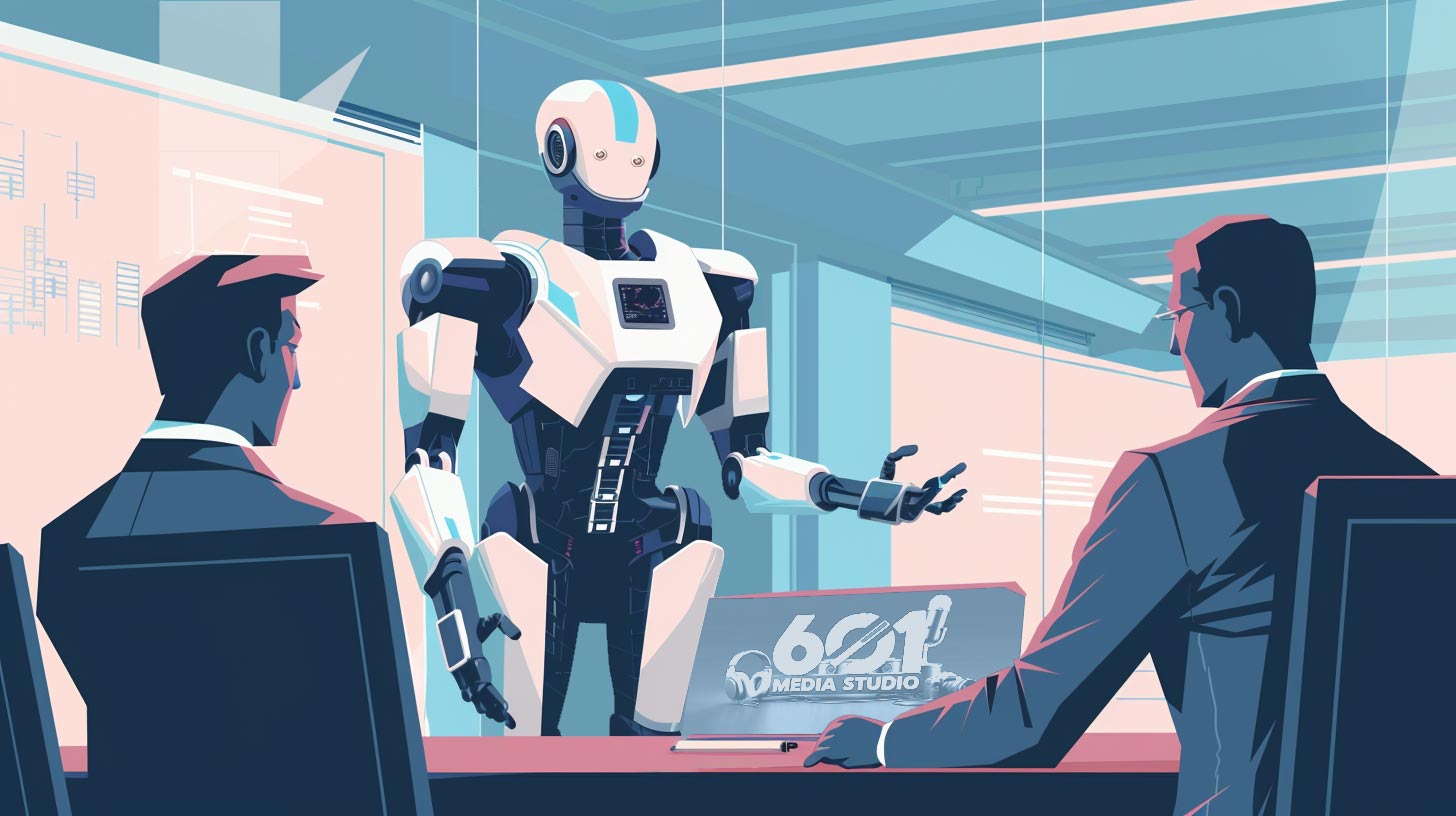
Learn AI for Business: A Strategic Overview for 2026
Artificial Intelligence is no longer a technical side project reserved for research teams. By 2026, AI has become a core business capability shaping strategy, operations, and competitive advantage across every industry. This article provides a comprehensive, executive-level overview of how business leaders, managers, and entrepreneurs should learn, evaluate, and apply AI in a practical, value-driven way to stay relevant in an AI-first economy.
Table of Contents
- Why AI for Business Matters in 2026
- From Experimentation to Enterprise Strategy
- High-Impact AI Use Cases Across Business Functions
- Critical AI Skills Business Leaders Must Learn
- Understanding the Modern AI Business Stack
- AI Governance, Ethics, and Risk Management
- How Organizations Should Adopt AI in 2026
- Measuring ROI and Business Value from AI
- The Competitive Outlook for AI-Driven Businesses
- Top 5 Frequently Asked Questions
- Final Thoughts
- Resources
Why AI for Business Matters in 2026
By 2026, AI is not a differentiator, it is a baseline expectation. Organizations that fail to integrate AI into decision-making, customer engagement, and operations face declining margins and slower growth. McKinsey estimates that AI could contribute over $4.4 trillion annually to the global economy, but value capture is highly uneven. The companies winning are not those with the most advanced models, but those that align AI with business strategy.
AI for business is about understanding where intelligence can reduce friction, improve speed, and unlock insights at scale. Leaders must move beyond curiosity and learn how AI reshapes cost structures, productivity curves, and competitive dynamics.
From Experimentation to Enterprise Strategy
Early AI adoption focused on isolated pilots such as chatbots or demand forecasting tools. In 2026, the emphasis shifts to enterprise-wide AI operating models. This means embedding AI into core workflows rather than layering it on top.
Strategic AI adoption requires executive ownership, clear business outcomes, and cross-functional alignment. Organizations must treat AI as a transformation initiative, similar in scale to cloud adoption or digital transformation. This includes workforce reskilling, process redesign, and technology integration.
High-Impact AI Use Cases Across Business Functions
AI delivers measurable value when applied to the right problems.
In operations, AI-driven forecasting improves inventory turnover, reduces waste, and stabilizes supply chains. In marketing, personalization engines increase conversion rates by analyzing customer behavior in real time. Sales teams leverage predictive analytics to prioritize high-value leads and optimize pricing strategies.
Finance teams use AI for fraud detection, automated reporting, and scenario modeling. Human resources deploy AI to improve talent acquisition, workforce planning, and employee engagement analysis.
The most successful organizations focus on use cases that directly impact revenue growth, cost reduction, or risk mitigation rather than novelty.
Critical AI Skills Business Leaders Must Learn
Learning AI for business does not mean becoming a data scientist. It means developing AI literacy.
Business leaders must understand how models learn, what data quality means, and where AI fails. Key skills include framing business problems for AI, interpreting model outputs, and asking the right questions about bias, accuracy, and scalability.
Equally important is change leadership. AI alters roles, workflows, and accountability. Leaders must communicate clearly, manage resistance, and create a culture where humans and AI collaborate effectively.
Understanding the Modern AI Business Stack
The AI business stack in 2026 consists of four layers.
The data layer includes structured and unstructured data sources governed by privacy and security policies. The model layer includes foundation models, custom-trained models, and industry-specific AI solutions. The application layer integrates AI into business tools such as CRM, ERP, and analytics platforms. The orchestration layer manages workflows, automation, and human-in-the-loop processes.
Understanding this stack enables leaders to make informed buy-versus-build decisions and avoid vendor lock-in.
AI Governance, Ethics, and Risk Management
As AI becomes embedded in critical decisions, governance becomes non-negotiable. Regulators worldwide are introducing AI-specific compliance frameworks focused on transparency, accountability, and data protection.
Businesses must establish AI governance structures that define ownership, approval processes, and monitoring standards. Ethical considerations include bias mitigation, explainability, and responsible use of customer data.
Effective governance does not slow innovation. It builds trust with customers, employees, and regulators while reducing reputational and legal risk.
How Organizations Should Adopt AI in 2026
Successful AI adoption follows a phased approach.
First, organizations identify high-value opportunities aligned with strategic goals. Second, they ensure data readiness and integration. Third, they pilot AI solutions with clear success metrics. Finally, they scale what works across the enterprise.
Training is continuous. Employees must learn how to work alongside AI systems, interpret outputs, and provide feedback. AI adoption is not a one-time project, but an evolving capability.
Measuring ROI and Business Value from AI
Measuring AI ROI requires moving beyond technical metrics such as model accuracy. Business leaders should track outcomes like revenue lift, cost savings, cycle time reduction, and risk avoidance.
Leading organizations establish baseline performance metrics before deployment and compare them against AI-enabled results. Transparency in measurement builds confidence and supports further investment.
The Competitive Outlook for AI-Driven Businesses
By 2026, competitive advantage increasingly depends on how fast organizations learn and adapt with AI. Companies that integrate AI into strategic planning gain foresight into market shifts and customer behavior.
AI-native competitors operate with lower costs, faster decision cycles, and higher personalization. Traditional businesses can compete, but only by treating AI as a strategic capability rather than a technology experiment.
Top 5 Frequently Asked Questions
Final Thoughts
Learning AI for business in 2026 is about mindset, strategy, and execution. Organizations that succeed will not be those with the most advanced algorithms, but those that align AI with real business outcomes, invest in people, and govern responsibly. AI is now a leadership competency, and mastering it is essential for sustainable growth in an increasingly intelligent economy.
Resources
- McKinsey Global Institute – The Economic Potential of Generative AI
- Harvard Business Review – Competing in the Age of AI
- World Economic Forum – AI Governance and Ethics
- MIT Sloan Management Review – AI Strategy for Business Leaders

Related AI for Business Learning…

AI Filmmaking Revolution Starts in 10
Fireside chat with an AI: How will AI video disrupt the video production and [...]

RPA vs AI
RPA vs AI AI and automation are changing the game. In this article, we [...]

AI Automation, Building Effective AI Agents Guide
Building Effective AI Agents Guide AI Automation, Artificial Intelligence (AI) agents are at the [...]

Will SEO die?
Fireside chat with ChatGPT AI: Will SEO die? SEO (Search Engine Optimization) is unlikely [...]

What is Amazon Bedrock?
Fireside chats with ChatGPT AI: What is Amazon Bedrock? What is Amazon Bedrock? Amazon [...]

What is OpenAI’s new model, GPT-4.03?
Fireside chats with ChatGPT AI: What is OpenAI’s new model, GPT-4.03? What is OpenAI’s [...]
Continue learning other topics…
How to Track AI Traffic to Your Website
How to Track AI Traffic to Your Website Understanding how artificial intelligence systems interact [...]
What Is Closed Loop Marketing?
What Is Closed Loop Marketing? A closed loop marketing system connects marketing activities directly [...]
The Best Approach to Marketing in 2026
Best Marketing Strategy for 2026: AI, Trust, and Growth Marketing in 2026 is defined [...]

What is Model Context Protocol (MCP)?
Model Context Protocol (MCP): How AI Finally Connects to Real Systems The Model Context [...]
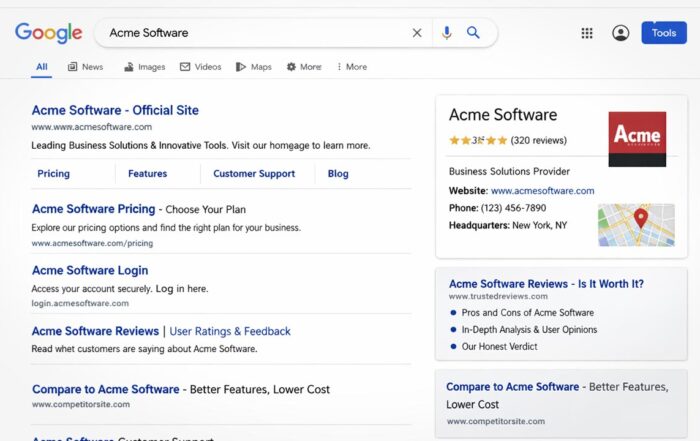
Do Your Brand Searches Always End Up on the Home Page?
Do Your Brand Searches Always End Up on the Home Page? Brand searches are [...]
Will Companies Invest More or Less in SEO in 2026?
Will Companies Invest More or Less in SEO in 2026? SEO budgets are no [...]

