

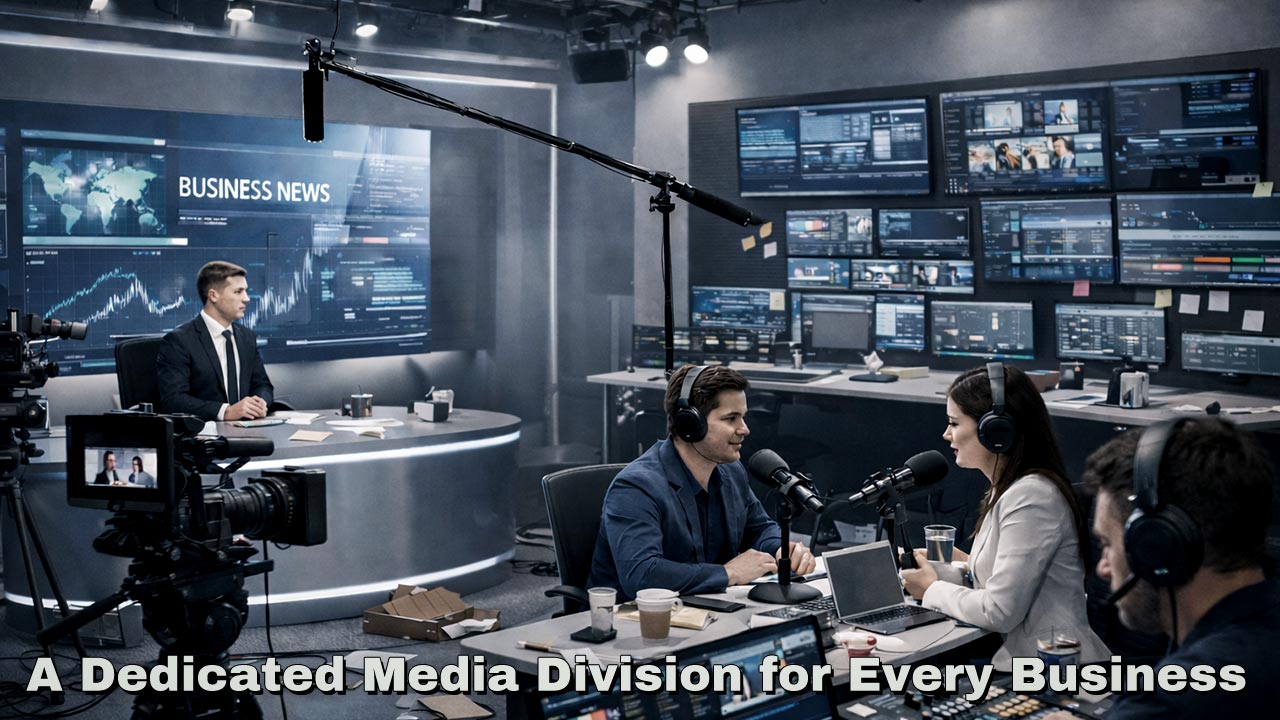
A Dedicated Media Division for Every Business
Every business, regardless of size or industry, is entering a period where visibility, narrative control, and content velocity directly determine survival. By 2026 and beyond, companies that fail to internalize media production as a core business function will struggle to compete, recruit, and retain trust.
Table of Contents
- The Business Media Shift Is Already Underway
- Why Traditional Marketing Structures Are Failing
- What a Dedicated Media Division Actually Is
- Technology Forces Accelerating the Need
- How a Media Division Fits Inside a Business
- ROI, Competitive Advantage, and Long-Term Value
- Implementation Roadmap for 2026
- Top 5 Frequently Asked Questions
- Final Thoughts
- Resources
The Business Media Shift Is Already Underway
Businesses no longer compete only on product quality or pricing. They compete on attention, relevance, and trust. Platforms such as TikTok, YouTube, and LinkedIn have transformed companies into always-on publishers. Multiple industry studies indicate that more than 70 percent of buyers consume three or more pieces of digital content before engaging with a sales representative. As artificial intelligence accelerates content creation across all industries, consistency and credibility have become decisive competitive advantages. In 2024, over 70 percent of buyers reported consuming at least three pieces of content before engaging with a sales representative. By 2026, that number is projected to increase as AI-generated content floods digital channels, making authenticity and consistency decisive factors. The implication is clear: companies that rely solely on outsourced agencies or fragmented marketing teams will fall behind organizations that operate like modern media brands.
Why Traditional Marketing Structures Are Failing
Marketing departments were designed for campaigns, not continuous storytelling. They focus on launches, promotions, and quarterly objectives. Media divisions focus on narratives, audiences, and long-term influence.
Three structural weaknesses explain why marketing alone is insufficient:
- First, agency dependency slows execution. External vendors cannot match the speed required for real-time content environments.
- Second, messaging fragmentation occurs when PR, social media, employer branding, and sales content operate in silos.
- Third, performance measurement is misaligned. Media impact compounds over time, while marketing metrics often prioritize short-term attribution.
This mismatch results in inconsistent brand voices and missed opportunities to build owned audiences.
What a Dedicated Media Division Actually Is
A media division is not a social media team or a content calendar. It is an internal capability responsible for producing, distributing, and optimizing business narratives across all owned and earned channels.
Core responsibilities include:
- Editorial strategy and content governance
- Video, audio, and written content production
- Platform-native distribution strategy
- Audience development and analytics
- Internal storytelling for culture and talent acquisition
This division operates with editorial independence while aligning with executive strategy, similar to how finance or legal departments function.
Technology Forces Accelerating the Need
Several technology trends make media divisions unavoidable. Artificial intelligence platforms such as OpenAI and Adobe have dramatically reduced production costs, increasing content volume across markets. At the same time, algorithmic feeds prioritize frequency, relevance, and watch time. Companies unable to publish consistently lose algorithmic visibility. Additionally, trust in traditional advertising continues to decline. Edelman’s Trust Barometer shows that people trust company-created content nearly as much as traditional journalism when transparency and expertise are demonstrated. These forces reward organizations that control their own media ecosystems.
How a Media Division Fits Inside a Business
A modern media division typically reports directly to executive leadership, not marketing alone. This positioning ensures alignment with business strategy rather than campaign execution.
A minimal structure includes:
- Head of Media or Chief Content Officer
- Content Producers and Editors
- Video and Multimedia Specialists
- Distribution and Analytics Lead
Larger organizations may add investigative, documentary, or community-focused roles. Importantly, the media division collaborates with marketing, sales, HR, and product teams while maintaining editorial standards and long-term objectives.
ROI, Competitive Advantage, and Long-Term Value
Unlike advertising, media assets compound in value. Evergreen videos, podcasts, and articles continue generating engagement years after publication.
Companies with internal media capabilities experience:
- Lower customer acquisition costs
- Higher inbound lead quality
- Stronger employer branding
- Greater resilience during market downturns
Organizations like HubSpot and Shopify have demonstrated how media-first strategies drive sustained growth. The competitive advantage lies not in virality, but in ownership of attention.
Implementation Roadmap for 2026
Businesses preparing for 2026 should begin now. Phase one involves auditing existing content and identifying narrative gaps. Phase two focuses on building a small, cross-functional media team supported by scalable technology. Phase three formalizes editorial standards, distribution playbooks, and performance dashboards. The goal is not perfection, but consistency and adaptability in a rapidly evolving media landscape.
Top 5 Frequently Asked Questions
Final Thoughts
By 2026, every business will operate in a media-saturated environment where attention is scarce and trust is fragile. A dedicated media division is no longer optional; it is foundational infrastructure. Companies that internalize media as a strategic function will own their narratives, shape their markets, and build lasting competitive advantage.

Related Dedicated Media Division(Studio) Learning…

Structured Data Markup Using AI
Utilize Structured Data Markup Using AI: A Comprehensive Guide Structured data markup, particularly when [...]
AI Avatars Creator Economy
AI Avatars Are Reprogramming the Creator Economy Human influencers are rapidly being outpaced by [...]

What version are you?
Fireside chat with Grok AI: what version are you? I'm Grok 3, built by [...]
OpenAI’s Interest in Acquiring Chrome
OpenAI's Interest in Acquiring Chrome Amid Google's Antitrust Challenges In the wake of the [...]

What is “Human in the Loop” in AI?
What is "Human in the Loop" in AI? Human in the Loop (HITL) is [...]

What is a spec ad?
Fireside chat with an AI: What is a spec ad? A spec ad (short [...]
Continue learning other topics…

Earn Cryptocurrencies Without Investment
4 Ways to Earn Cryptocurrencies Without Investment Earning cryptocurrencies is often portrayed as something [...]

ChatGPT for Discovery Research
How to Use ChatGPT for Discovery Research Discovery research is the foundation of innovation. [...]
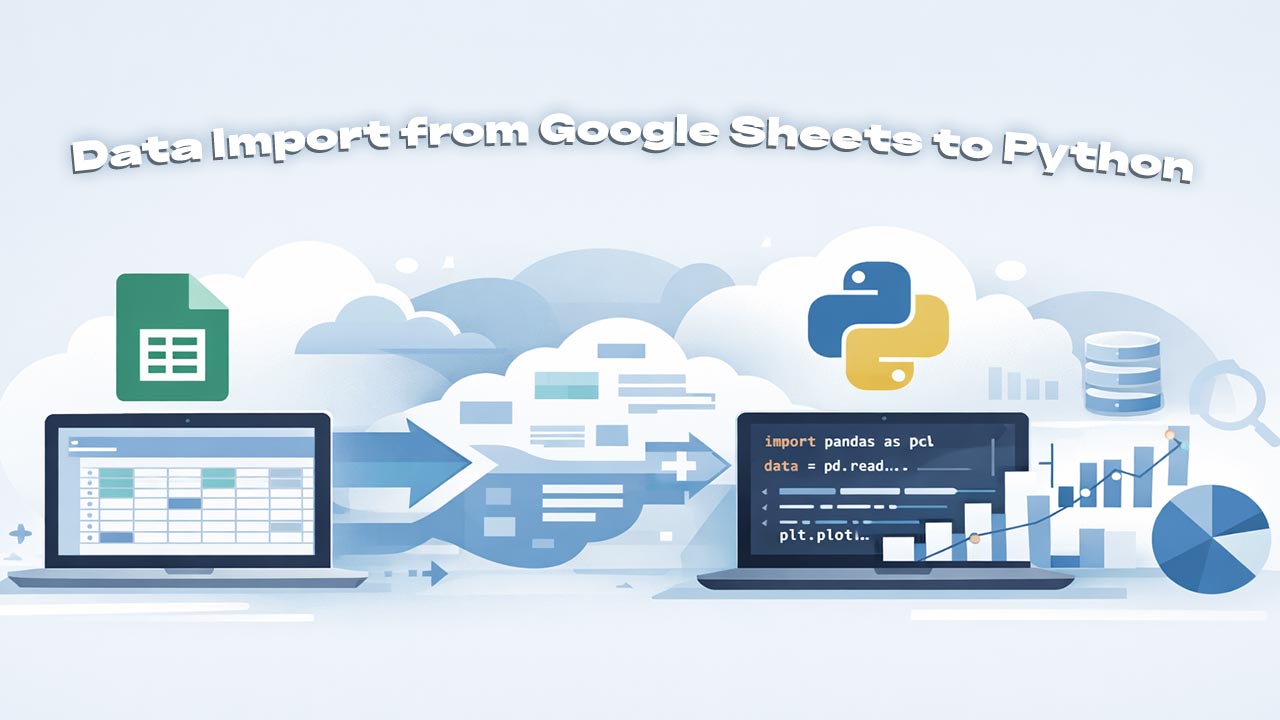
Data Import from Google Sheets to Python
Mastering Data Import from Google Sheets to Python Data teams increasingly rely on cloud-native [...]
Digital Media Production Technology
Digital Media Production Technology: How Innovation Is Reshaping Content Creation Digital media production technology [...]
What Does MQL Mean in Marketing?
What Does MQL Mean in Marketing? A Marketing Qualified Lead, commonly known as an [...]
Why Was My Organic Website Traffic Down During 2025?
Why Was My Organic Website Traffic Down During 2025? A drop in organic traffic [...]

