



LED Flexible Transparent Film Screen: The Future of Display Technology
Discover how LED flexible transparent film screens are revolutionizing display technologies across industries. This article explores their design, benefits, applications, and the technological innovations shaping their future.
Table of Contents
- Introduction
- What is an LED Flexible Transparent Film Screen?
- Key Features and Advantages
- Applications Across Industries
- Technology Behind the Innovation
- Challenges and Limitations
- Future Trends
- Top 5 Frequently Asked Questions
- Final Thoughts
- Resources
Introduction
The modern demand for innovative, immersive, and dynamic displays has pushed technology towards flexible, transparent, and lightweight solutions. LED flexible transparent film screens are one of the most promising technologies leading this evolution.
What is an LED Flexible Transparent Film Screen?
An LED flexible transparent film screen is a thin, bendable display embedded with micro-LEDs on a transparent substrate. These films can wrap around surfaces, create free-form shapes, and remain see-through, offering dynamic visuals without obstructing natural light or views.
Key characteristics include:
- High Transparency: Often 70% or more
- Lightweight and Thin: Typically less than a millimeter thick
- Flexibility: Can bend and conform to various surfaces
- Durable: Resistant to environmental conditions like moisture and UV exposure
Key Features and Advantages
- Visual Impact: Eye-catching displays without blocking the background
- Design Versatility: Wraps around curves and non-traditional surfaces
- Energy Efficiency: Micro-LEDs consume less power
- Ease of Installation: Simple adhesive applications to glass or clear panels
- Customization: Size, pixel pitch, and shape can be tailored
According to a study by MarketsandMarkets, the global transparent display market is projected to reach $4.93 billion by 2024, driven largely by innovations like flexible LED films.
Applications Across Industries
Retail
Retailers use these screens for dynamic advertising and in-store displays that captivate customers while maintaining visibility into the store.
Architecture
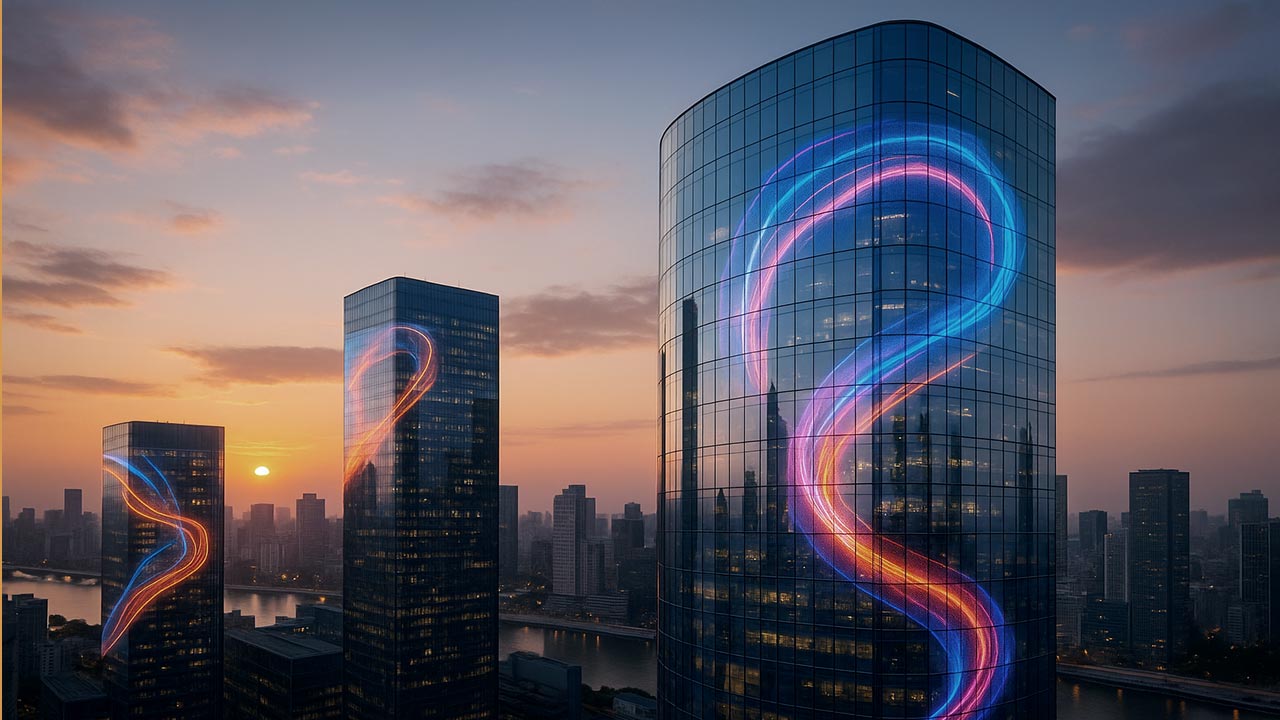
Architects integrate these screens into building facades and glass walls to create interactive media installations without compromising aesthetic transparency.
Automotive
Car manufacturers explore these screens for windshield displays, heads-up displays (HUDs), and infotainment systems inside vehicles.
Entertainment and Events
Concerts, exhibitions, and sports venues use flexible transparent LED screens for awe-inspiring stage designs and immersive audience experiences.
Technology Behind the Innovation
The technology involves layering micro-LED chips onto an optically clear, flexible substrate using advanced manufacturing techniques such as:
- Surface Mount Technology (SMT) for precise LED placement
- Roll-to-Roll Printing for scalable production
- Flexible Printed Circuit Boards (FPCBs) to maintain conductivity under bending
Key metrics include:
- Pixel Pitch: Typically 2mm to 10mm
- Brightness: Over 4000 nits for outdoor visibility
- Transparency Rates: Between 70% to 90%
Challenges and Limitations
Despite their advantages, these screens face hurdles:
- Durability Under Stress: Prolonged bending may lead to micro-cracks
- Cost: High production costs for mass-market adoption
- Pixel Density: Lower than OLED or LCD for the same size, affecting image sharpness
Manufacturers are addressing these through advances in material science and production automation.
Future Trends
- Integration with Smart Glass: Combining display and shading functionality
- Higher Resolution: Improving pixel density without compromising transparency
- Flexible IoT Displays: Real-time, interactive surfaces connected to IoT ecosystems
- Wider Commercial Use: From smart offices to wearable technology
Top 5 Frequently Asked Questions
Final Thoughts
LED flexible transparent film screens represent a revolutionary leap in display technology. They blend form and function, offering innovative design opportunities across multiple industries while maintaining transparency and aesthetic appeal. As production becomes more cost-effective and technology advances, we can expect to see these screens everywhere—on our cars, our buildings, and even our personal devices. Their ability to create immersive, interactive environments without sacrificing visibility is perhaps their greatest asset.


Leave A Comment